We are living through the challenge of our generation. While the impact of the global pandemic remains to be seen, one thing is certain — the world as we know it has permanently changed — and that change has accelerated the need for a new way of leading.
As a progressive boutique executive search firm in Toronto we work with some of the greatest leaders running the most successful companies (big and small). Our reputation has been built on identifying and evaluating leadership characteristics to ensure we secure the best talent for our clients. Through discussions with dozens of Canada's top leaders and based on our experience in the field, we believe that real leaders must possess the following 7, often overlapping, characteristics to succeed in our post-pandemic world.
Future forward. Innovation has accelerated in response to our current challenges and the resulting fundamental changes to economic activity, societal values and consumer behaviour. In order to outmaneuver uncertainty, stay competitive and develop a culture that can quickly adapt to inevitable future challenges, leaders must know how to effectively manage innovation and create a culture that embraces it.
Inclusive. We live in the age of personalization and individuality. Organizations must walk the talk of equity, inclusion and diversity. As such, strong leaders in this new era must recognize their unconscious tendency to identify with people who they think are most like them — this tendency works against an inclusive workplace. A modern leader must recognize their employees as individuals, allow them to think and act in their unique way, and leverage diversity to foster innovation. An inclusive leader ensures an organization celebrates individuality and is welcoming at every level to all people.
Flexible. Poor leaders often resort to routine and do what has worked in the past. It's comfortable but it stifles innovation and growth. Many organizations with this type of leadership will not survive the impact of the pandemic. Strong leaders understand that they will make mistakes as they navigate these unchartered waters. But they must be willing to experiment and adjust course quickly as mistakes happen, and emphasize to all employees that they expect the same from all of them.
Empathetic. This crisis has been shocking with unprecedented challenges. It is imperative that leaders understand their employees' needs. They are so much more than employees. They are parents, caregivers, teachers, managers, people. They need leaders who are great at making decisions based on facts but who can also demonstrate vulnerability and empathy. As Hubert Joly, former Best Buy CEO points out, many countries that seem to be managing this crisis the most effectively (Germany, Taiwan, New Zealand, Iceland, Finland, Norway, and Denmark) are all women-led and that their leaders seem to combine a science-based approach with a more human touch.
Purpose-driven. At a time like this, purpose matters most. As Billionaire Mark Cuban stated, “how you act now will define your brand for decades.” Real leaders must lead their companies for the benefit of all stakeholders — including customers, employees, suppliers, partners, communities, and shareholders — and a strong focus on purpose can drive significant growth. Employees see purpose as a way to bring meaning to their work and, more than ever, require this to feel fully engaged.
Grounded. With employees feeling more anxious than ever, leaders must create an open culture to have a pulse on how people are doing and feeling. Employees want certainty. They want to feel safe, know they are being heard and that their challenges are understood by their leaders. Creating an open culture so people communicate how they are feeling is critical. Leaders need to be vulnerable enough to create this open environment and must focus on employee wellbeing.
Authentic. Leaders need to be positive, emotionally intelligent, and genuine. These leaders must remain open and unafraid to admit mistakes and weaknesses. Self-interests need to be put to the side, while the goals of the organization must come first. Their awareness of self allows them to build rapport, improve the quality of their communication skills, and their ability to engage their workforce.
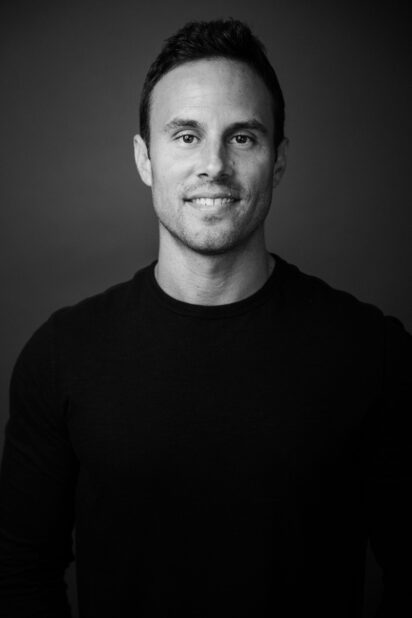
Jason Carmichael, MBA is a Co-founder and Managing Partner at Oxford + Richmond Inc., a progressive, boutique executive and management level search firm.